White Sage Alternatives: 7 Sustainable Herbs to Grow or Buy
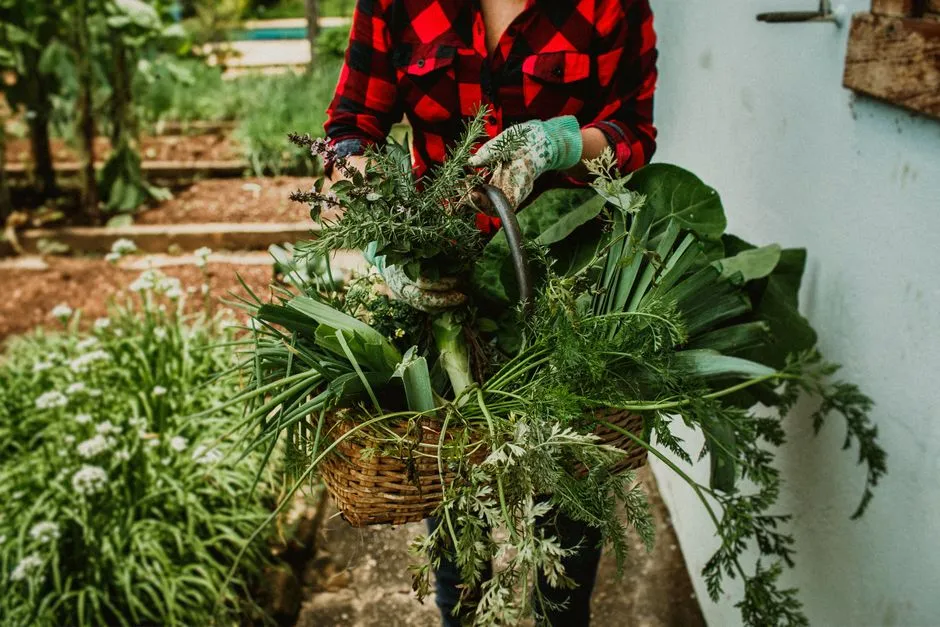
- What are good alternatives to white sage?
- Why look beyond commercial white sage?
- Compare seven aromatic plants before choosing
- 1. Garden sage
- 2. Rosemary
- 3. Lavender
- 4. Common mugwort
- 5. True bay laurel
- 6. Juniper
- 7. Pine
- How do you choose a genuinely lower-impact source?
- How do you dry garden herbs?
- What safety rules apply to aromatic smoke?
- The better decision is purpose first
What are good alternatives to white sage?
If the goal is garden fragrance or a personal aromatic routine, seven plants worth considering are garden sage, rosemary, lavender, common mugwort, true bay laurel, juniper and pine. Grow or buy a correctly identified cultivated plant suited to your region. They are alternatives in aroma and availability, not replacements for any Indigenous ceremony.
They are not a universal “safe to burn” list. Burning any plant creates smoke and indoor particulate matter, and common names can cover unrelated species. A smoke-free sachet, dried arrangement or bowl of clipped herbs is the lower-exposure option. If you choose to use an ember, use only correctly identified, uncontaminated material intended for that use, ventilate, follow local fire rules and keep the hazard controls below in place.
Why look beyond commercial white sage?
White sage (Salvia apiana) is native to a narrow region. Calflora describes it as a California-native shrub found only slightly beyond the state's borders, while the California Native Plant Society (CNPS) places its natural occurrence between Santa Barbara and northern Baja California.
CNPS's Indigenous-partnered White Sage Protection project documents commercial poaching, questionable sourcing, habitat pressure and the plant's deep cultural importance to Indigenous communities of Southern California and northern Baja. The page recommends avoiding wildcrafted products and knowing the source.
That evidence is stronger and more precise than saying every retail bundle is wild-harvested or that no label can be trusted. Ask a seller to identify the grower and confirm cultivation. “Ethically sourced” without a farm, nursery or traceable supplier is not enough information to verify a claim.
Cultural respect is equally specific. Different Indigenous nations and people have their own relationships, language and protocols; there is no single pan-Indigenous practice for an outsider to reproduce. Do not rename a personal fragrance habit as an Indigenous ceremony or turn ceremonial instruction into lifestyle content. Our guide to smudging and smoke-cleansing terminology explains that boundary.
Compare seven aromatic plants before choosing
| Plant | Aroma and form | Growing or sourcing check |
|---|---|---|
| Garden sage (Salvia officinalis) | Savory, rounded herbal aroma; sturdy leafy stems | A cultivated Mediterranean kitchen herb; give it sun and well-drained soil |
| Rosemary | Piney, resinous aroma; woody stems hold together when dry | Buy a named culinary rosemary or grow a known plant rather than gathering an unknown roadside shrub |
| Lavender | Sweet floral aroma; thin flower stems | Choose a cultivated, correctly identified lavender; thin stems work better mixed with sturdier material than alone |
| Common mugwort (Artemisia vulgaris) | Green, bitter aromatic foliage | Check local invasive-plant guidance before buying or planting; contain or avoid it where it is invasive |
| True bay (Laurus nobilis) | Warm, spicy-sweet leaves | Confirm the scientific name; “laurel” is used for many unrelated plants |
| Juniper | Sharp evergreen aroma; slow-growing woody sprigs | Species and rules vary; use a traceable cultivated source and do not strip wild stands |
| Pine | Resinous forest aroma from needles and hardened resin | Identify the species and landowner rules; do not collect treated, contaminated or unknown material |
This table preserves the useful sensory comparison without making a health claim. Fragrance preference is personal, and combustion can smell very different from the unburned plant.
1. Garden sage
Garden sage (Salvia officinalis) and white sage (Salvia apiana) are different species in the same genus. Garden sage is the soft gray-green Mediterranean culinary herb; white sage is a whiter-leaved shrub native to southwestern North America. Garden sage is widely cultivated and can be grown in a sunny, well-drained bed or pot.
Its dried aroma is more familiar and savory than white sage's stronger, camphor-like character. Calling it a “one-to-one” replacement would overstate the similarity. It is a practical cultivated aromatic in its own right.
2. Rosemary
Rosemary dries into firm stems and retains a piney, resinous aroma. An established cultivated shrub can supply small prunings without pressure on a wild stand. Take only what routine pruning allows and never use material treated with a chemical product that is not labeled for the intended use.
Woody rosemary can hold a tied form more readily than thin lavender stems. That physical convenience does not establish inhalation safety.
3. Lavender
Lavender offers the sweetest floral profile in this group. The stems are slender, so the live guide's suggestion still holds: they are easier to incorporate with a sturdier cultivated stem than to use as a dense bundle alone.
For dried fragrance, harvest flower stems as buds begin to show color. Cultivar, climate and harvest stage all affect scent, so “strongest fragrance” is not a universal timing promise.
4. Common mugwort
Common mugwort (Artemisia vulgaris) has aromatic foliage often described as green or bitter. It is also an invasive perennial in parts of North America. The National Park Service's Upper Delaware plant profile says its extensive rhizomes spread aggressively and make it difficult to control.
Do not assume a container eliminates all escape risk. Check the current invasive or prohibited-plant list for your state, province or country before acquiring it. Where authorities identify it as invasive, choose another plant.
5. True bay laurel
The kitchen bay is true bay, Laurus nobilis. Its dried leaves have a warm, spicy-sweet aroma, and the plant can be maintained in a large pot where climate and space suit it.
Scientific-name confirmation matters because “bay” and “laurel” are applied to unrelated plants. Do not burn or otherwise use an unidentified laurel leaf. A leaf from the spice rack is a known food product, but a food label is not automatically a label for burning or inhalation.
6. Juniper
Juniper provides a clean, evergreen scent, but the genus includes many species and cultivars. Junipers are generally slower-growing than annual herbs, so light pruning from a known landscape plant or purchase from a traceable cultivated supplier is preferable to removing wild branches.
Do not present a generic juniper bundle as a substitute for a culture-specific practice. This page describes an aroma, not ceremonial meaning or instruction.
7. Pine
Pine needles and hardened resin have a deep resinous fragrance. Resin can flare rather than smolder predictably, so do not add loose resin to an indoor ember setup. Choose a product made and labeled for its intended burner, and follow those directions.
If gathering is legal, take only correctly identified, clean material with the landowner's permission. Never assume fallen material is free to collect. National Park Service policy allows a superintendent to designate certain fruits, berries, nuts or unoccupied seashells for hand-gathering under stated conditions; it does not create a general right to collect pine, juniper or other plant material. Check the rules for the exact park. Do not collect on a roadside or from trees that may have been sprayed.
How do you choose a genuinely lower-impact source?
Use a four-part check:
- Identity: The seller gives the scientific name, not only “sage,” “laurel” or “juniper.”
- Origin: The listing names a farm, nursery or grower and says the material was cultivated.
- Permission: Home harvesting comes from your own plant or land where the owner and governing rules permit it.
- Local fit: The plant is not prohibited or invasive where you plan to grow it.
Wild, abundant-looking and fallen are not legal categories. On National Park Service land, plant collection is generally prohibited unless a specific authorization applies. State parks, forests, preserves, tribal lands, municipal land and private property have their own rules.
How do you dry garden herbs?
For known cultivated herbs, cut clean stems after surface moisture has dried. Make small, loose bundles with cotton string and hang them in a dark, dry, well-aired location. Drying may take one to three weeks, but time is only an estimate. Thick stems and dense bundles take longer.
Inspect the center for moisture or mold. Thin stems should snap rather than bend before storage. Discard moldy material; do not burn it. Keep dried plants labeled with the species and source so an unknown bundle does not enter the supply later.
Drying changes moisture, not toxicology. It does not make an unidentified plant, pesticide residue or unsuitable species safe to burn.
What safety rules apply to aromatic smoke?
The U.S. Environmental Protection Agency says combustion produces indoor particulate matter and recommends proper ventilation when candles or incense are burned indoors. Its indoor particulate-matter guidance also says source reduction is usually the best way to reduce indoor PM. If smoke worsens breathing or another symptom, extinguish the material, move to fresh air and seek appropriate medical help.
Use a stable, noncombustible dish on a clear surface. Keep water available, keep hair and clothing away, and never leave a flame or ember unattended. Keep children and animals away from the setup. The U.S. Fire Administration tells candle users to maintain at least 12 inches of clearance from anything that can burn; use at least that much clearance for an herb ember and more where sparks or loose leaves could travel. Follow building rules, burn bans and local fire restrictions.
Do not use aromatic smoke around medical oxygen; U.S. Fire Administration guidance warns that medical oxygen can explode if a flame or spark is nearby and can ignite even when turned off. Do not rely on it to disinfect a room, treat illness, change air quality or deliver a health benefit. None of the seven plants on this page is presented as medicine.
The better decision is purpose first
For room fragrance, start with a smoke-free dried sachet, clipped-herb bowl or unlit arrangement. For gardening, choose a locally suitable noninvasive plant. If you still choose to burn a cultivated aromatic, verify the species and source, minimize smoke, ventilate and treat the ember as an open-fire hazard.
Garden sage and rosemary remain the easiest widely cultivated starting points, but “alternative” should mean a plant chosen honestly for your own purpose—not a borrowed ceremony, a wild-harvested shortcut or a promise that plant smoke is harmless. Browse Herbs & Gardens for cultivation-focused guidance.